
 My Lists
 Classes
 Learning Center
Choosing the Best Wood Sealer & Finish for Outdoor Furniture
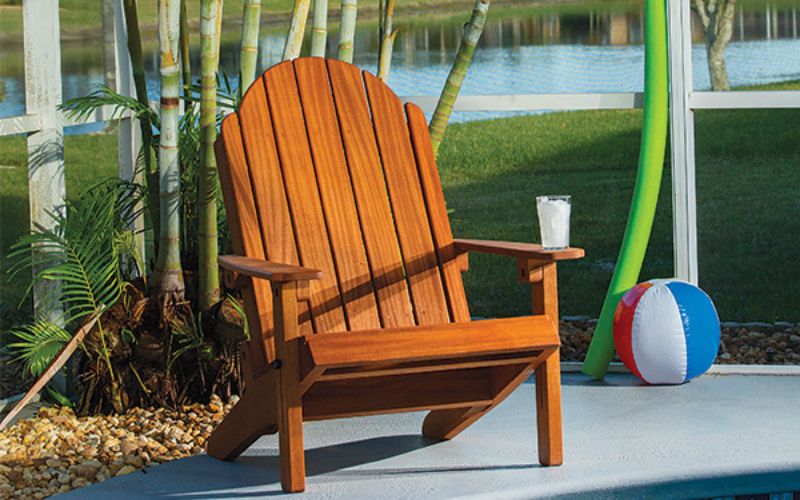
Finishing outdoor projects should begin well before you open a can of stain or finish. Wood and hardware choices matter, as does how you want the piece to look as it weathers. You will need to maintain the finish too, so be honest about your willingness to put in the work when the time comes. Here are ten suggestions to keep in mind.
1. Regardless of the finish you choose, be sure to use a wood species that promises longevity outside. White oak, red cedar, Spanish cedar, cypress, redwood, long leaf pine, teak and true mahoganies are among the best options for withstanding rot and insect damage.
2. For many of these outdoor-suitable woods, one option is to not apply a finish at all. If you choose to do that, sanding the surfaces very smoothly will help lessen moisture penetration that can lead to deterioration.
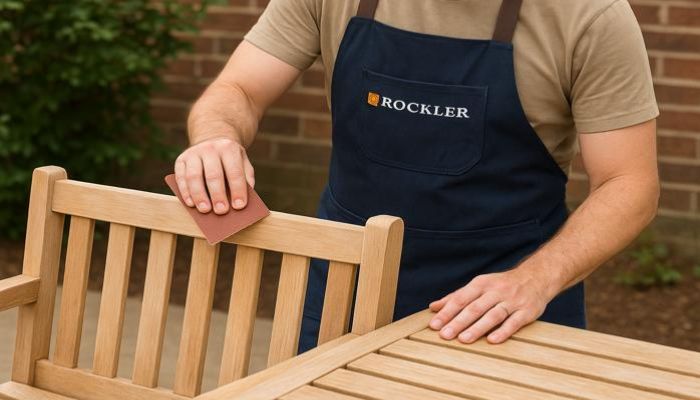
3. Bare wood can become stained, streaked or turn gray over time. You can refresh its look by giving it a good cleaning and then treating it with oxalic acid. It's often a main ingredient in products sold as deck cleaners. Oxalic acid is easy to use and will help revive the original color of the wood, often dramatically!
4.Always use non-rusting fasteners and hardware (screws, nails, nuts and bolts and hinges) on your outdoor projects to help prevent unsightly rust stains and streaks. If you do get iron oxide streaking (rust stains), oxalic acid will remove that discoloration, too.
5. If you do get iron oxide streaking (rust stains), oxalic acid will remove that discoloration, too.
6. General Finishes Outdoor Oil, and other oil-based finishes and deck stains, are fast and easy to apply. While they generally look great, the downside is that they must be reapplied every year, especially if the project is in direct contact with the elements. But the process isn’t difficult. Just clean the wood with soapy water, let it dry thoroughly and reapply the finish.
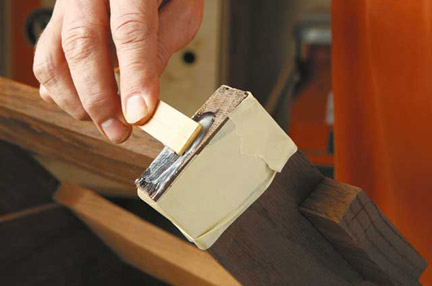
7. When finishing wooden outdoor tables and chairs, seal the end grain of the legs with clear epoxy. (photo below) This technique is called “packing.” It will prevent moisture from wicking up into the end grain and leading to rot.
8. Keep a close eye on projects finished with exterior-grade polyurethane, and apply a new coat as soon as the finish starts to fade. If you wait until the finish cracks and absorbs moisture underneath, you'll need to strip and refinish it. Water-based exterior acrylic may last longer without maintenance, but it is more likely to delaminate, which also requires stripping and refinishing.
9. True spar varnish will tend to chalk from the top as it is exposed to the elements, and it is flexible enough to resist cracking. Carefully sand away the chalkiness, then apply a fresh coat. The durability of spar varnish makes it a popular choice for boat finishes.
10. Exterior-grade paint is the most robust exterior finish available. For best effect, apply a good-quality, exterior-rated primer and follow with a high-quality paint or enamel.


Keep the inspiration coming!
Subscribe to our newsletter for more woodworking tips and tricks


