Page 10 - Cutting and Shaping Wood

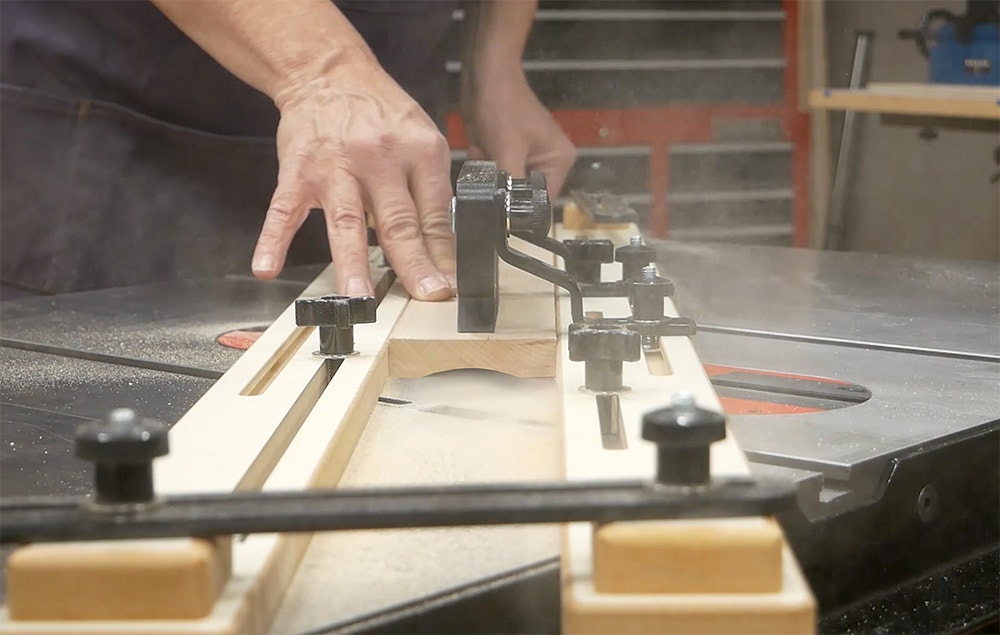
  1. Setting up a table saw jig to make cove cuts

    Video: How to Use a Cove Cutting Table Saw Jig

    The cover cutting table saw jig includes everything you need for safe, easy cove cuts on your table saw in one easy-to-use package.
    Read more
  2. Rockler Innovation – Precision Miter Gauge

    Rockler Innovation – Precision Miter Gauge

    An error of only a fraction of a degree can amount to ugly gaps in your corners when building boxes and frames.
    Read more
  3. Eight Tips for Routing Cabinet Doors

    Eight Tips for Routing Cabinet Doors

    A few simple pointers will help you achieve better results with your cabinet door projects.
    Read more
  4. Video: Routing Slots Through a Workpiece

    Video: Routing Slots Through a Workpiece

    Learn how to cut a centered slot through a thick workpiece without needing an extra long router bit to extend through the entire workpiece.
    Read more
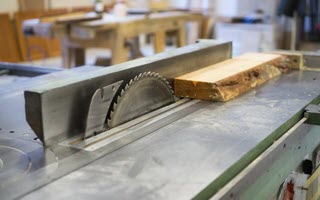
  5. wood sitting on top of a table saw

    Table Saw Dust Collection Tips

    If you're like most woodworkers, a table saw is the most often used tool in your shop. Getting adequate dust collection to it should be a primary concern. But not all table saws are set up to make dust collection easy. Open based contractor saws present a particular dust collection challenge. Two of our woodworking experts offer a few tips on the subject.
    Read more
  6. Wood Router Basics

    Wood Router Basics

    Whether you use a router made long before you were born or one of the technologically advanced models built today, either machine can perform a range of essential woodworking tasks that can’t be bested by any other power tool. If you’re a woodworking novice, a router should rank near the top of your “short list” of tools to buy first, even ahead of a table saw — routers are that useful.A router can help you turn sharp edges into decorative profiles of all sorts. It will machine dadoes and grooves, rabbets, dovetails, mortises, tenons, box joints and more. Need to duplicate a bunch of parts? That’s no problem for a router and a template. It can even surface plane, joint edges flat, carve lettering, cut circles and bore holes. The “can-do” list goes on and on.
    Read more

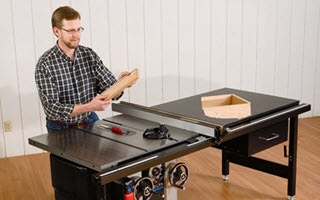
  7. man cutting rabbet joints on a tablesaw

    How To Cut The Four Basic Rabbet Casework Joints With A Table Saw

    When building casework, cabinetry, drawers, shelving or other box joinery there are four basic rabbet joints you should learn. This post walks you through each of the four joints and shows you how easy they are to cut using your table saw.
    Read more
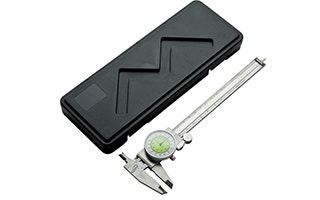
  8. Dial Caliper

    How to Use Your Dial Caliper to Set Exact Router Bit Height on Your Router Table

    Using the the depth probe on a set of calipers can help you set the height on your blades and router bits. A dial caliper takes precise inside and outside measurements, but the depth probe on the end can also help you set exact blade and bit heights.
    Read more
  9. Ian Kirby Woodworking Design: Making Cuts and Joinery with Marking Tools

    Ian Kirby Woodworking Design: Making Cuts and Joinery with Marking Tools

    Marking your cuts is an essential step in woodworking, and there are a variety of tools for any job from simple pencils to complex marking knives. If you are going to work wood using hand tools, then all of the traditional marking tools are essential.
    Read more
  10. Jointers and Combination Machines Take Many Roles in the Shop from Cutting Wood for Joints to Planing

    Jointers and Combination Machines Take Many Roles in the Shop from Cutting Wood for Joints to Planing

    A jointer can be a handy tool to have in your shop for creating perfect butt joints and repairing cupped and twisted lumber. Many woodworkers agree that, after a table saw, the number one piece of shop equipment is the jointer. One look at the versatility of this workhorse and it’s easy to see why.
    Read more
  11. Use Respirators to Protect from Sawdust in the Workshop

    Use Respirators to Protect from Sawdust in the Workshop

    A powered respirator unit keeps your lungs clear of debris as well as protecting your face. Even if you have a great dust collection system, there are times you’ll need to wear respiratory protection; for example, when running a big belt sander across a panel or sawing up MDF on a table saw, both operations notorious for producing clouds of lung-choking fine dust. But to get the best protection, you must wear the right mask.
    Read more