Page 11 - Jigs, Tips and Tricks

  1. Countersink vs. Counterbore Screw Holes - What's The Difference?

    Countersink vs. Counterbore Screw Holes - What's The Difference?

    Counterbore and countersink screws are sometimes used interchangeably, but there is a difference in the shape and usage of the screws and holes they make. The key difference between countersink and counterbore screws are the size and shape of the holes, counterbore holes are wider and more square to allow for the addition of washers.
    Read more
  2. Does It Matter if You Cut a Joint Edge or Face First?

    Does It Matter if You Cut a Joint Edge or Face First?

    Woodworking Question: I have read a number of articles on using a jointer or jointing a piece for a project. Some say joint an edge first, others say joint a face first. Which is the right way, or does it matter? See what our experts have to say.
    Read more
  3. Crisscross Corner Joints Give Extra Stability

    Crisscross Corner Joints Give Extra Stability

    Woodworking tip: Did you know notched criss-cross style tenon joints give corners a little extra stability and increase the amount of surface area for glue-up?
    Read more
  4. 10 Workshop Uses For A Trim Router

    10 Workshop Uses For A Trim Router

    The trim router is a tool that might not get much use in some shops, but it is unique and surprisingly versatile tool. They’re lightweight, surprisingly powerful and small enough to go places other bulky routers can’t. If you only use yours for trimming plastic laminate, think again.
    Read more
  5. Crown Molding Cutting Tips

    Crown Molding Cutting Tips

    For most do-it-yourselfers and carpenters, it takes a while to warm up to the idea of installing crown molding. The process just seems more intimidating than other trim carpentry and basic joinery tasks.
    Read more
  6. Glue-Ups - How Long Do You Leave The Clamps  On?

    Glue-Ups - How Long Do You Leave The Clamps On?

    How long do you have to leave the clamps on a glue-up project? This Q&A segment from the Woodworker's Journal sheds some light on the subject.  Thanks to our friends at WWJ for letting us share this advice from renowned woodworkers Michael Dresdner and Ian Kirby.
    Read more
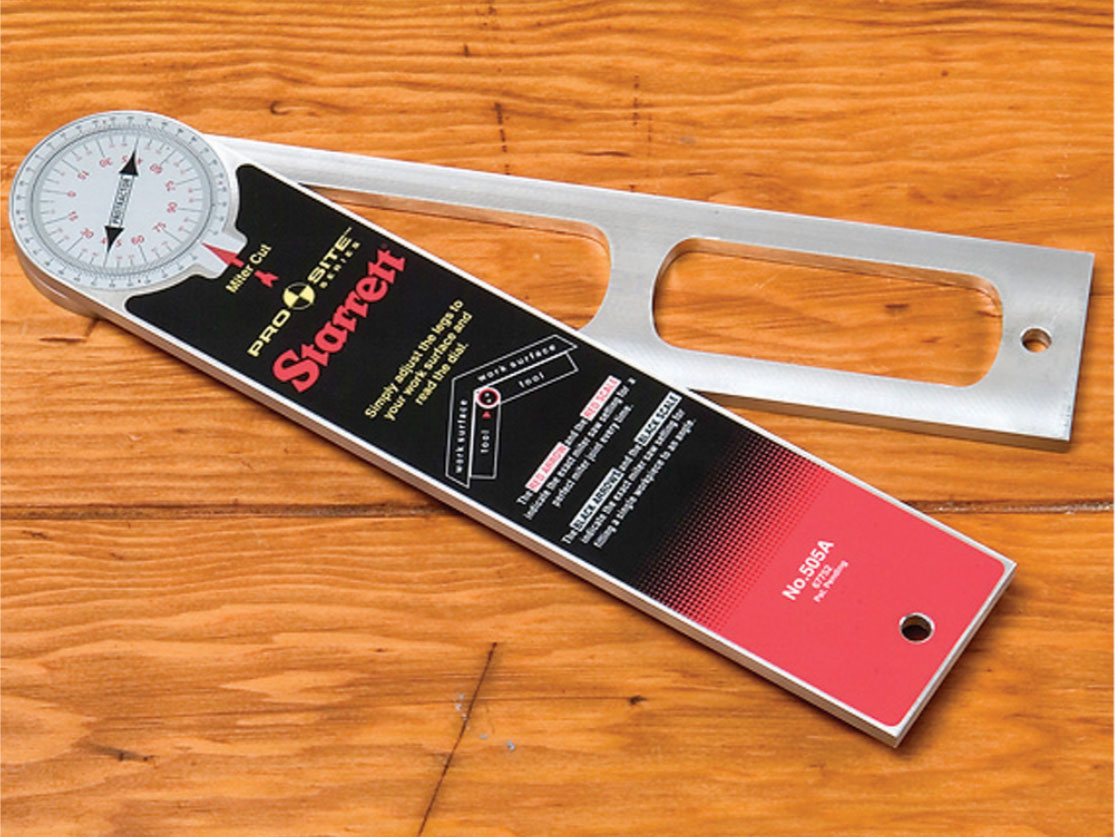
  7. Starrett angle finder hand tool

    Wall Trim & Working with Uncommon Angles

    When you encounter angles other than the usual 45 or 90 degrees do you end up scratching your head? Don’t feel alone. Here’s a question from one of our readers. Mike was nearly driven over the edge trying to figure out how to calculate the odd-angled miters for a few trim pieces.
    Read more
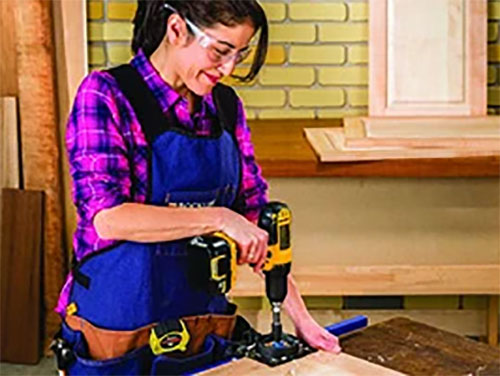
  8. Cutting hinge installation holes with drill guide

    Accurate Drilling Without a Drill Press

    Many woodworkers associate a drill press with accurate drilling, and don't really think of a handheld drill as an "accurate" tool. Still, not everyone can afford or has room for a bench top drill press - let alone a full-scale floor standing model.
    Read more
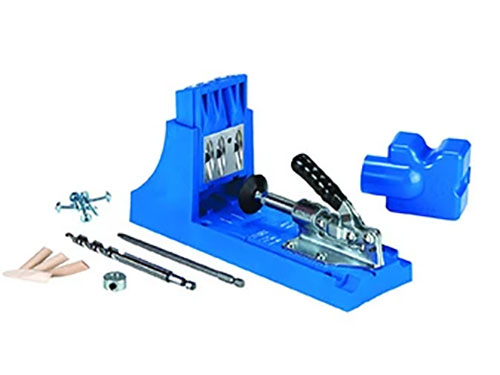
  9. Kreg jig pocket hole system

    Pocket Hole Joinery with the Kreg Jig

    Pocket hole joinery isn't new. The speed and reliability of the technique have made it a favorite in furniture manufacturing and cabinet shops for decades.
    Read more
  10. Man holding piece of wood with bark showing

    How To Keep Bark On Your Wood Projects

    I am starting a few craft projects using whole chunks of tree limbs, limb crotches, and natural divides. I want to keep the bark on the pieces.
    Read more
Page