There are a lot of good friction polishes that create a nice, clear finish on both natural wood and wood that's already been stained. I just can’t deny it — I am an instant gratification sort of woodworker. So, when I am looking for a clear finish on my turned pieces — and I predominantly turn bowls — I almost always reach for a friction polish. They are easy to apply, build up quickly and look great.
If you've been wanting to tackle a wood veneering project, but haven't been sure how to get started, you've come to the right place. We put together this article where we'll give you a glimpse of the history of wood veneering, describe a few of veneering's most outstanding benefits, and describe the most common types of veneer and methods for applying veneer to a substrate.
It's a matter of personal style. For some woodworkers the term "workbench" refers to a set of sawhorses and a salvaged door slab. For others, no workbench is complete until it sports a beautiful high gloss finish. For anyone out there wondering how to spiff-up a workbench the right way, here's a little advice from two expert woodworkers:
Woodworking Question: In watching TV shows and reading woodworking articles, people talk about applying shellac to a project, then stain, then a protective coat. Why the shellac before the stain? Here's what our experts had to say.
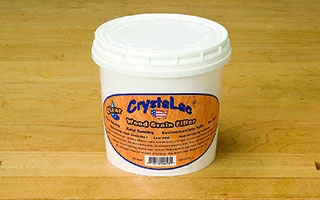
Filling cracked or knotty wood without using wood putty may seem a difficult task, but there are a few options. Sometimes the perfect piece of wood is not all there. I’m not saying it’s crazy; just missing some parts. There can be cracks in a knot, voids in a burl or other anomalies. Being able to fill them means you can still use that special plank.
Woodworking Myth: You should never put a water-based finish on top of an oil-based finish. Jim Carroll explains why it’s not only acceptable to use a water-based finish over and oil finish – provided you do it correctly – but that it can be the best solution when you want to bring out the natural character and color of the wood.
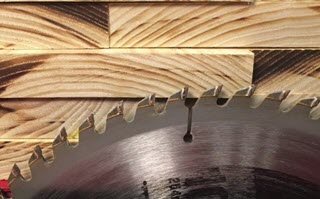
Have you ever numbed your fingers or unintentionally rounded off a nice, square edge sanding out saw blade burn marks? You're not alone. A woodworker asks our experts: Other than sanding, is there any other way to remove burn marks caused by a table saw
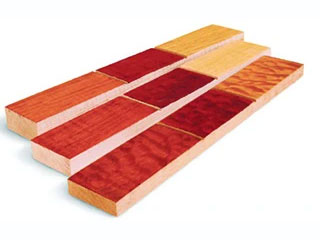
Using the same stains and woods doesn't necessarily mean the patterns or colors will match across different pieces. Build a project from a single board and the finished piece will be visually consistent.
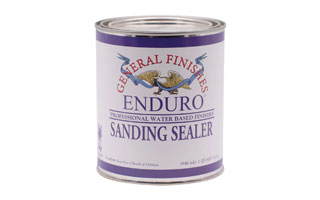
What is "sanding sealer" and what's it good for? Woodworking expert Michael Dresdner offers a quick lesson on the properties and uses of sanding sealer to a Woodworker's Journal newsletter reader who wanted to know when it should be used and whether it would make a big difference to the end result.
Some wood finishes excel at one thing, others at something else, and to get the effect you want, you sometimes have to use more than one. A Woodworker's Journal reader asks whether it's advisable to put a tougher protective coating over a grain-popping tung oil finish.

 My Lists
 Classes
 Learning Center