
 My Lists
 Classes
 Learning Center
Understanding Wood Glue
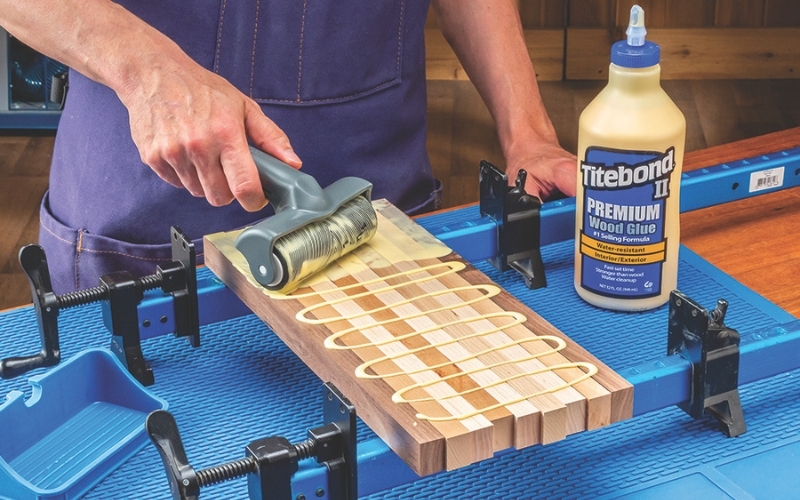
Wood glue might seem like a simple supply on your workbench, but using the right kind can make or break your project—literally. Whether you’re repairing a chair, crafting a cutting board or building outdoor furniture, knowing your glue types and how to use them properly will lead to stronger joints, cleaner results and longer-lasting projects. Let’s review the most common types of wood glue, what makes them different and when to use each one.
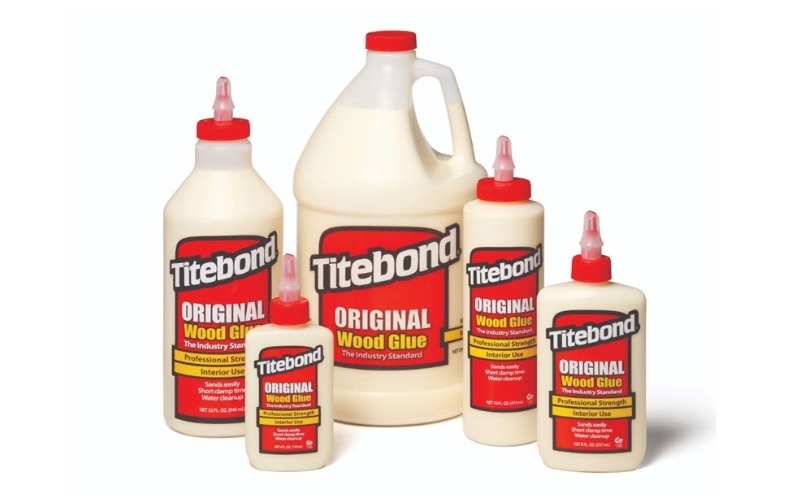
Polyvinyl Acetate (PVA) - These are the most prevalent wood glues, suitable for indoor applications. They dry clear, are easy to clean with water and are non-toxic. Examples include Titebond Original and Elmer's Carpenter's Wood Glue. PVA glue is a fine choice for general project construction where you're gluing wood to wood and the interface of the parts brings the wood into direct contact— so gluing up panels, laminating thicker blanks and assembling joinery. It does not have good gap-filling properties and will not stand up well to moisture.
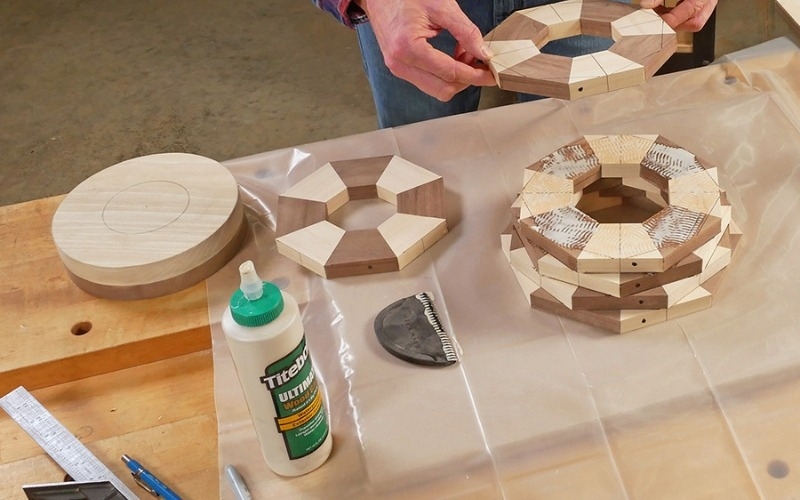
Aliphatic Resin (Yellow Glue) - Similar to PVA but with added heat and water resistance, aliphatic resin glues are favored for their quick setting time and strong initial tack. It is non-toxic, non-foaming, solvent-free and cleans up with water. Aliphatic resin glue is an excellent choice for woodworking joints that require precise alignment or when your project must withstand some degree of water contact. Titebond II and III are common examples of aliphatic resin glues. Titebond II (blue label) will tolerate occasional moisture contact, such as damp-wiping a charcuterie board. Titebond III (green label) is completely waterproof, so it's a great choice for assembling your Adirondack chair or outdoor planter.
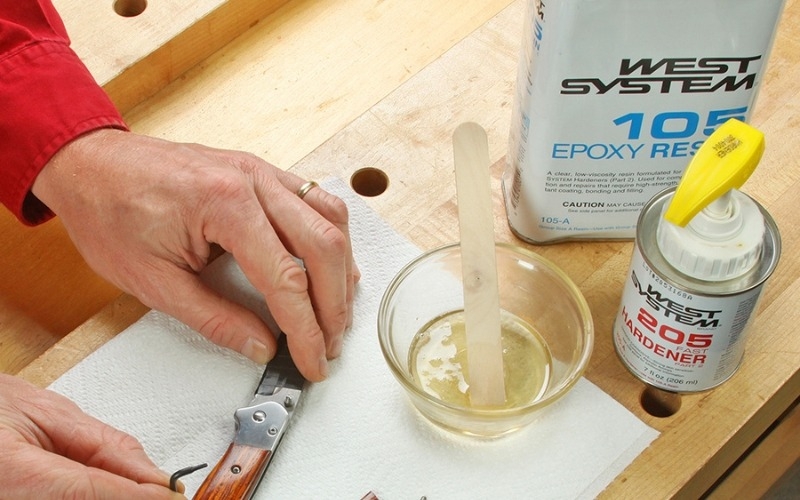
Epoxy - A two-part adhesive known for its exceptional strength and gap-filling properties. Epoxy is suitable for bonding dissimilar materials, such as wood to metal or wood to stone, and it is often used in situations where maximum durability is required. Cured epoxy is also waterproof. Be careful to follow the manufacturer's instructions when mixing quantities of epoxy. It's extremely important to calculate the ratio of resin to hardener accurately and mix it thoroughly, otherwise epoxy won't harden properly and will have reduced bonding strength.

Polyurethane Glue - This glue expands into a sticky foam as it cures, making it effective for bonding uneven surfaces where gaps between the materials prevent a tight glue seam. Polyurethane glue is waterproof and suitable for outdoor projects, but its expanding foaming action requires careful application to prevent mess. Once the glue cures, the dried foam is very difficult to remove without scraping, sanding or cutting it away. Use it sparingly to prevent excessive squeeze-out. Making test joint is always a good idea so you can see how much foam expansion to expect.
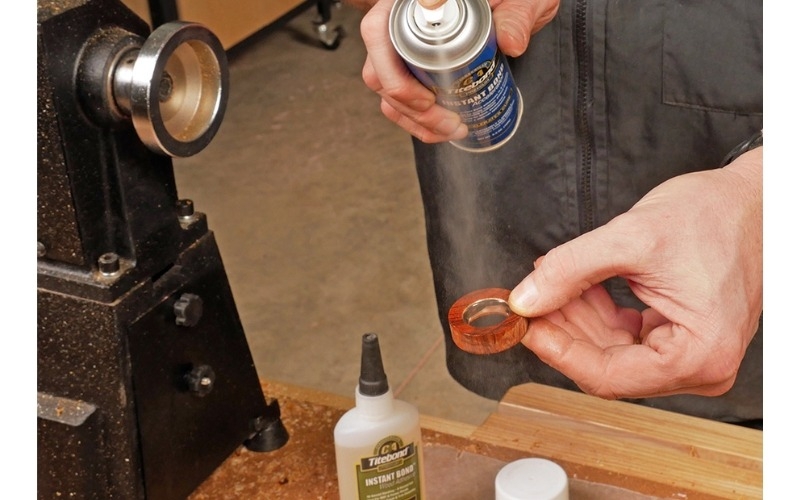
Cyanoacrylate (CA) Glue - Also known as super glue, CA glue is perfect for quick repairs and small joints. It bonds rapidly but is brittle, so it's not recommended for load-bearing joints. CA glue has become a popular finishing option for woodturners, because it dries instantly when spritzed with aerosol accelerator and develops a beautiful glossy sheen. In recent years, some CA glues now also contain colored rubber. Rubber improves the glue's gap-filling possibilities for repairing small nail or knot holes and cracks.
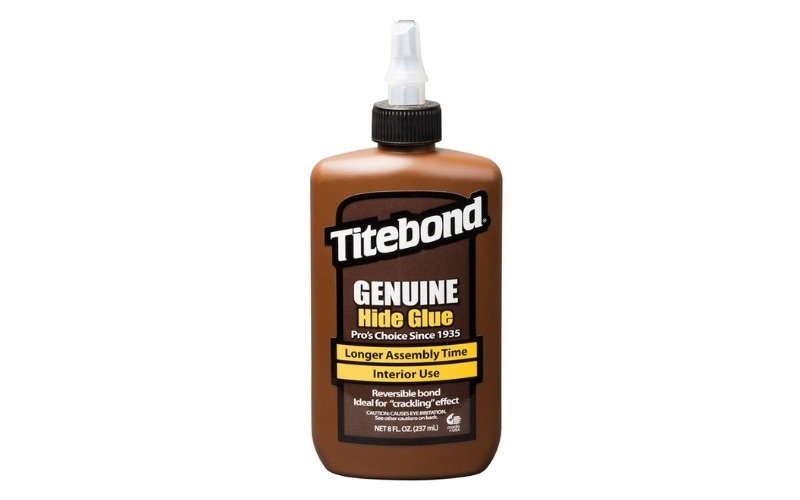
Hide Glue - Traditional animal-based glue that's still used in fine woodworking and instrument making due to its reversibility and strong bond. It is sold in dry beaded form that must be heated in a glue pot to liquify, but the beads have a long shelf life. You can also buy hide glue in pre-mixed, ready-to-use bottles. Liquid hide glue offers a longer open time than PVA or aliphatic resin glues, making it more user-friendly. Hide glue dissolves readily in water, so never use it where projects will be subjected to significant moisture. However, this characteristic has a clear advantage: it is easy to scrub of off exposed surfaces prior to finishing without any residue left behind. With hide glue, you'll never have to worry about hard-to-remove glue splotches appearing under a stained finish.
Rockler Has Glue Applicators Galore!
Most woodworkers reach for a PVA or aliphatic resin glue—particularly Titebond Original, II or III—more than any other adhesive options. While these glues are non-toxic and easy enough to spread with a finger, you don't want fingerprint smudges all over your projects. There are so many neater options for dispensing and spreading glue! Here are some helpful glue applicators to keep in mind.
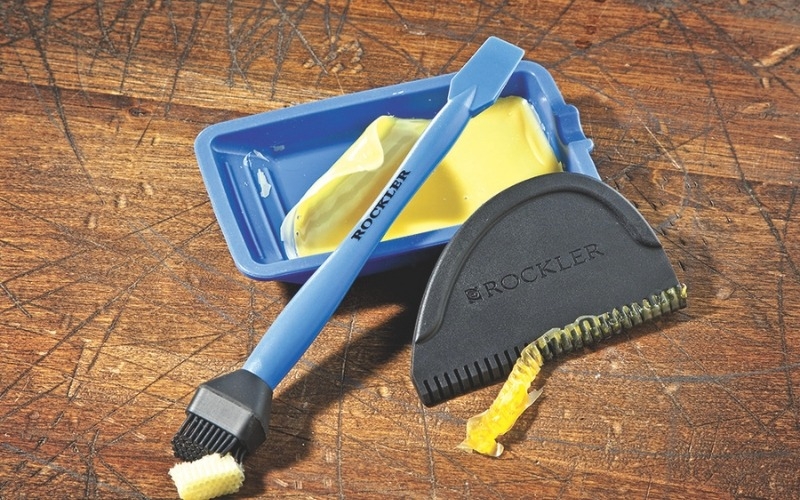
Our 3-Piece Silicone Glue Application Kit has been a customer favorite for many years. It comes with our award-winning Silicone Glue Brush, with soft, pliable silicone bristles on one end and a handy glue paddle on the other end. The black silicone spreader is ideal for evenly distributing glue over broad surfaces, such as when gluing up plinth blocks, corbels or thick table legs. It leaves neat rows of "raked" glue, which fill in after a few seconds for perfect distribution. The blue Silicone Tray features a small saddle in the end, which holds your brush so that any stray drips go back into the pan when you're not brushing. All three accessories are easy to clean with water for reuse. Or just wait for the glue to dry and peel it away instead.
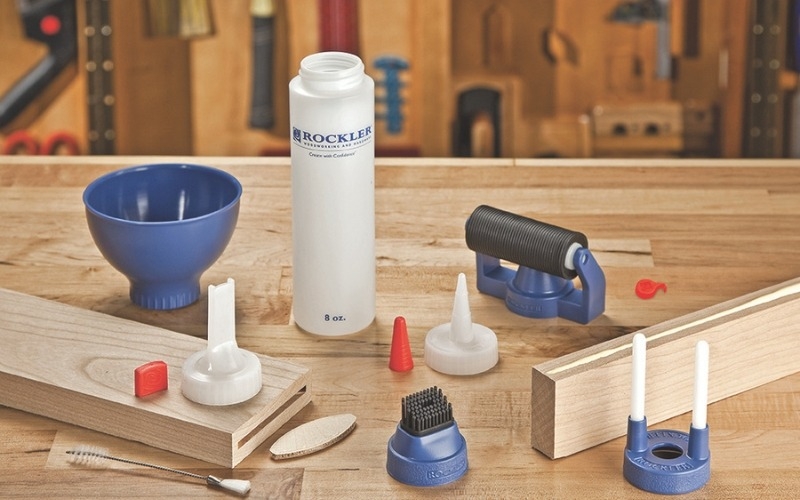
This handy multipiece Glue Applicator Set comes with four applicators—a Standard Glue Spout, a silicone brush for wider boards, a roller for very wide boards and a mortise tip for traditional mortises, domino mortises and biscuit slots. The centering attachment fits onto the Standard Spout to keep your glue bead locked on center when edge gluing, while the funnel makes transferring glue from jug to bottle a mess-free experience. Attachments also fit onto Titebond 16- and 32-ounce glue bottles. All attachments are made from easy-to-clean ma terials: HDPE plastic, polypropylene, silicone and thermoplastic rubber.
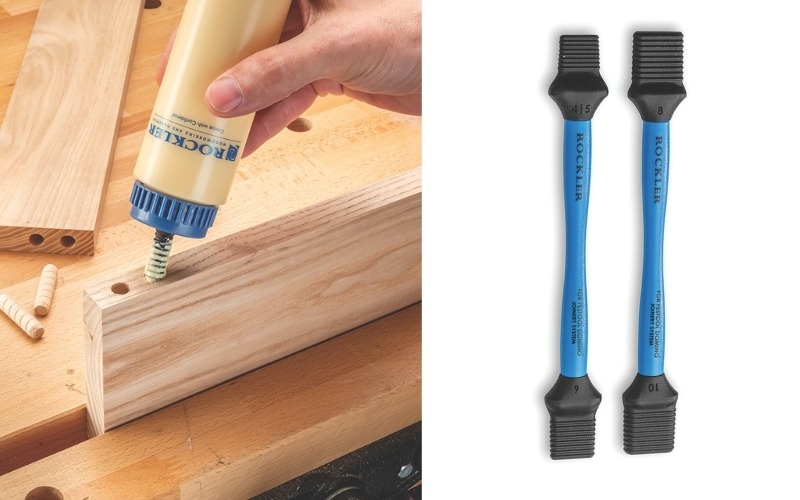
The applicator options don't stop there! Rockler also offer specialized glue brushes and glue bottle caps with silicone tips that fit biscuit slots and holes for dowels, Festool Dominoes, Rockler Beadlock tenons and even box joints! They're designed to dispense just the right amount of glue and offer the same simple water clean-up as our other silicone and plastic glue applicator options.
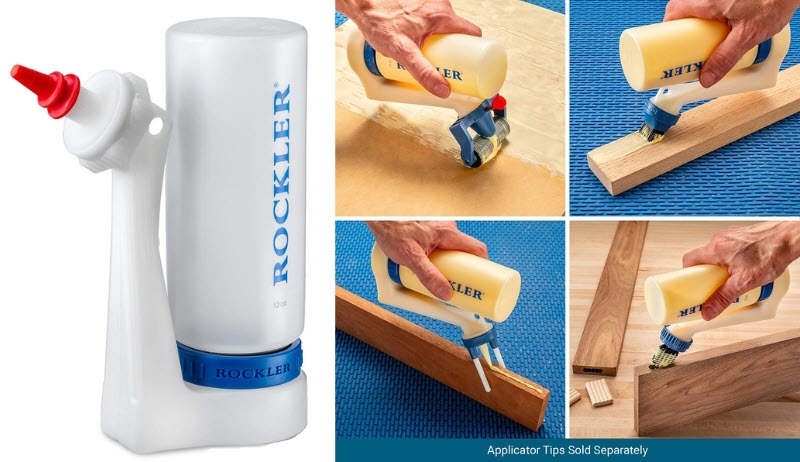
Our clever Rockler Product Development Team has even gone back to the drawing board to create a better glue bottle that solves a couple of common problems. As you surely know, inverting a typical glue bottle and then waiting for the glue to reach the spout during a tricky glue-up can be annoying, and so is a drippy glue bottle spout. Our refillable Glue Bottle Buddy puts an end to both of those nuisances, making gluing faster, easier and neater. You don't even have to invert the glue bottle at all! Its two-chamber design with inverted 12-ounce glue bottle and elongated reservoir keeps the glue primed and ready to dispense with a light squeeze. When you let go, negative pressure draws glue back into the reservoir again to prevent drips.


Keep the inspiration coming!
Subscribe to our newsletter for more woodworking tips and tricks


