Page 14 - Workshop Setup & Tool Maintenance

  1. Table Saw Dust Collection Tips

    Table Saw Dust Collection Tips

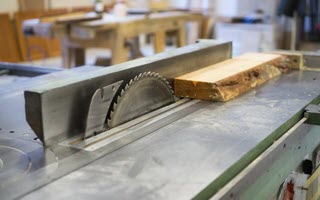
    If you're like most woodworkers, a table saw is the most often used tool in your shop. Getting adequate dust collection to it should be a primary concern. But not all table saws are set up to make dust collection easy. Open based contractor saws present a particular dust collection challenge. Two of our woodworking experts offer a few tips on the subject.
    Read more
  2. Easy Dust Collector Maintenance

    Easy Dust Collector Maintenance

    Of all the tools in your shop, the dust collector takes some of the hardest beating, regular maintenance including removing the ductwork is advised. Maintaining most of the machines in your shop — table saws, planers, band saws — means keeping them running at peak performance, so they’ll do precise work.
    Read more
  3. Tool Maintenance Made Easy

    Tool Maintenance Made Easy

    If you're like most woodworkers, you've invested a lot in your tool collection, both financially and in the time you've spent choosing, acquiring and setting up the tools that make up your shop. But how much time have you devoted to taking good care of them? With a bit of information, a modest investment in equipment and supplies, and a little time, you can keep your tools running at peak performance year-round.
    Read more
  4. How to Decide What Type of Dust Mask I Should Be Wearing

    How to Decide What Type of Dust Mask I Should Be Wearing

    Respirators and dust masks aren’t all the same – there are different kinds to choose from, as well as a rating system for efficiency. Choosing the right respirator is key. No matter how well made your respirator is, it can’t filter out hazards that it’s not designed for.
    Read more
  5. Jointers and Combination Machines Take Many Roles in the Shop from Cutting Wood for Joints to Planing

    Jointers and Combination Machines Take Many Roles in the Shop from Cutting Wood for Joints to Planing

    A jointer can be a handy tool to have in your shop for creating perfect butt joints and repairing cupped and twisted lumber. Many woodworkers agree that, after a table saw, the number one piece of shop equipment is the jointer. One look at the versatility of this workhorse and it’s easy to see why.
    Read more
  6. How to Build Table Saw Blade Storage and Organizer

    How to Build Table Saw Blade Storage and Organizer

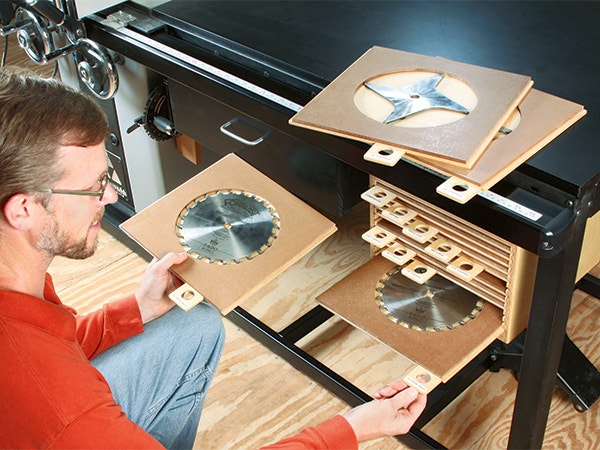
    The wood shelving does a good job of keeping your various blades protected and helps you find the one you're looking for quickly. Saw blades don’t come cheap, so they deserve better storage between uses than a cardboard sleeve. This project stows 12 blades in pull-out trays. Two magnets hold each blade securely in its tray for transport. I keep four 10" blades and an eight piece dado set in mine.
    Read more
  7. Use Respirators to Protect from Sawdust in the Workshop

    Use Respirators to Protect from Sawdust in the Workshop

    A powered respirator unit keeps your lungs clear of debris as well as protecting your face. Even if you have a great dust collection system, there are times you’ll need to wear respiratory protection; for example, when running a big belt sander across a panel or sawing up MDF on a table saw, both operations notorious for producing clouds of lung-choking fine dust. But to get the best protection, you must wear the right mask.
    Read more
  8. How to Maintain Your Drill Press

    How to Maintain Your Drill Press

    While it's relatively maintenance-free, that doesn't mean that you shouldn't do regular check-ups and lubrication of your shop's drill press. A drill press is a pretty simple looking machine: just a chuck at the end of a spindle that holds a drill bit, and allows it to move up and down while it’s spinning. But there are a number of things that can get out of kilter that compromise drilling performance and accuracy.
    Read more
  9. Video: How To Make Zero Clearance Throat Plate Inserts For Table Saws

    Video: How To Make Zero Clearance Throat Plate Inserts For Table Saws

    Learn how to make zero clearance throat plate inserts for you table saw. A zero clearance insert or throat plate is one of the best upgrades you can make to a table saw. If you’re having trouble with tear-out on the bottom edge of your table saw crosscuts, or experienced the sudden shock of a narrow piece of drop-off wedging in between the saw blade and the opening in your saw’s throat plate, then you should get a zero clearance throat plate or insert.
    Read more
  10. cleaning saw blades

    How to Clean and Maintain Saw Blades

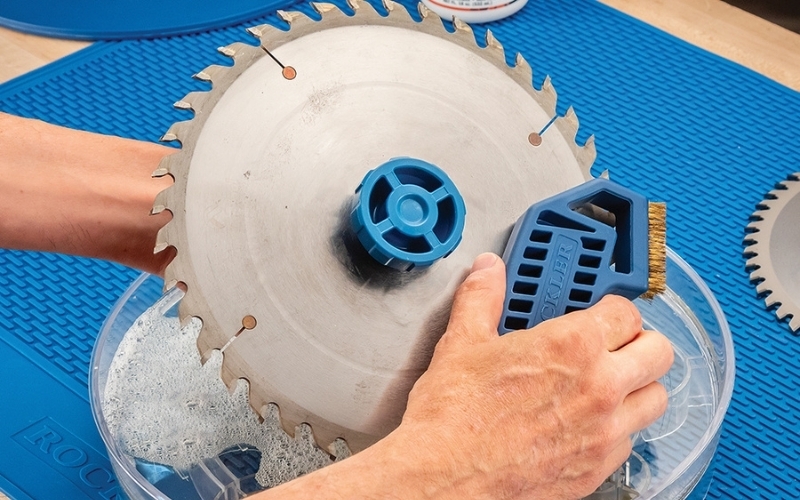
    In the long run, dulling teeth will eventually reduce the cutting performance of your table saw blades. But an even quicker and more insidious culprit is built-up, burned-on gunk. It makes dirty blade teeth wear out faster than clean teeth. Here's
    Read more
  11. Video: Measuring Dust Ports & Dust Hoses

    Video: Measuring Dust Ports & Dust Hoses

    Even the best dust collectors won't be effective if the dust hoses don't properly fit the tool dust ports. One of the easiest ways to make sure you always have the right hose connector for each tool is to measure the inside and outside diameter of each tool port and connector. This may seem like an obvious tip, but a lot of woodworkers don't take the time to measure and they often grab the wrong size hose and dust collection fittings
    Read more