Page 112 - Learn Woodworking

  1. Water-based Finish over an Oil-based Finish

    Water-based Finish over an Oil-based Finish

    Woodworking Myth: You should never put a water-based finish on top of an oil-based finish. Jim Carroll explains why it’s not only acceptable to use a water-based finish over and oil finish – provided you do it correctly – but that it can be the best solution when you want to bring out the natural character and color of the wood.
    Read more
  2. Getting Rid of Saw Blade Burns

    Getting Rid of Saw Blade Burns

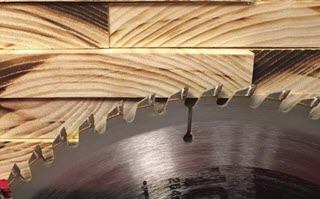
    Have you ever numbed your fingers or unintentionally rounded off a nice, square edge sanding out saw blade burn marks? You're not alone. A woodworker asks our experts: Other than sanding, is there any other way to remove burn marks caused by a table saw blade? I use a Forrest blade and still get burn marks on oak. Here's how three accomplished woodworkers responded.
    Read more
  3. How to Use Wood Stains, Pigments, Dyes and Toners to Evenly Stain Wood

    How to Use Wood Stains, Pigments, Dyes and Toners to Evenly Stain Wood

    Using the same stains and woods doesn't necessarily mean the patterns or colors will match across different pieces. Build a project from a single board and the finished piece will be visually consistent. Use several different boards, even of the same species, or mix solid wood and plywood, and you may end up with an array of glaring color surprises once the finish goes on. Stain can mitigate color differences, but it may not erase them completely. In fact, the stain may accentuate the differences, creating a more obvious mismatch from board to board.
    Read more

  4. Does It Matter if You Cut a Joint Edge or Face First?

    Does It Matter if You Cut a Joint Edge or Face First?

    Woodworking Question: I have read a number of articles on using a jointer or jointing a piece for a project. Some say joint an edge first, others say joint a face first. Which is the right way, or does it matter? See what our experts have to say.
    Read more
  5. Crisscross Corner Joints Give Extra Stability

    Crisscross Corner Joints Give Extra Stability

    Woodworking tip: Did you know notched criss-cross style tenon joints give corners a little extra stability and increase the amount of surface area for glue-up?
    Read more
  6. How to Cut Loose Tenon Joinery with Biscuits, Joiners & Mills

    How to Cut Loose Tenon Joinery with Biscuits, Joiners & Mills

    Cutting loose tenons is made much easier with tools designed to allow you to make those cuts from specialized jigs to biscuit joiners to mortise joiners. If you’ve ever used dowels to join wood, you already have experience with loose tenon joinery. Loose tenons can be used any place you’d use a traditional mortise and tenon and, with some of these tools, many other places, too. The tools in this story make joinery much easier than a doweling jig.
    Read more
  7. Does the Dovetail Angle Affect Joint Strength?

    Does the Dovetail Angle Affect Joint Strength?

    Woodworking Question: I've seen 7°, 9° and 14° dovetail bits, and even one that was 7.5°. Does the angle of a dovetail affect the strength of the joint, or is it just cosmetic? According to at least one scientific study, dovetail angles don't affect the strength of the joint and should just be chosen based on your bits and the aesthetics.
    Read more
  8. Tip for Drying Swollen Plate Joinery Biscuits Quickly

    Tip for Drying Swollen Plate Joinery Biscuits Quickly

    Do you have trouble keeping your plate-joint biscuits dry in your shop? One of our Woodworkers Journal readers solved this problem with a common household appliance. Here's what he has to say.
    Read more
  9. Assembling Hardwood Pieces Using Flat Head Wood Screws

    Assembling Hardwood Pieces Using Flat Head Wood Screws

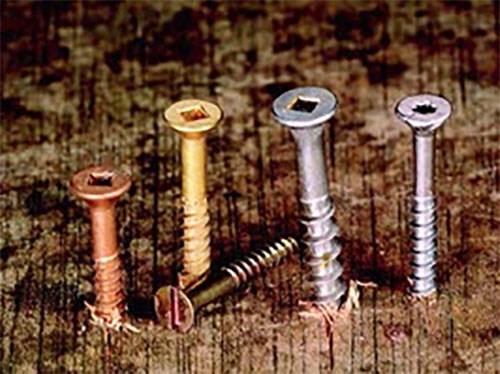
    In a world of whizz-bang gadgets and high tech tools, a recent thread on a woodworking forum reminded me that sometimes we need to stop, rewind and get back to the basics. The poster was lamenting that he had no idea how to drive a screw. This may seem silly, but it really is an honest question.
    Read more
  10. 10 Workshop Uses For A Trim Router

    10 Workshop Uses For A Trim Router

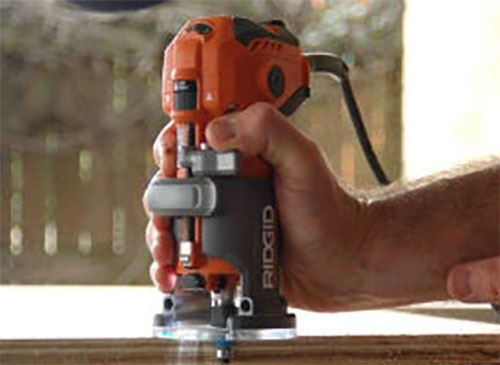
    The trim router is a tool that might not get much use in some shops, but it is unique and surprisingly versatile tool. They’re lightweight, surprisingly powerful and small enough to go places other bulky routers can’t. If you only use yours for trimming plastic laminate, think again.
    Read more
  11. Review: General 70 030 Drill Press

    Review: General 70 030 Drill Press

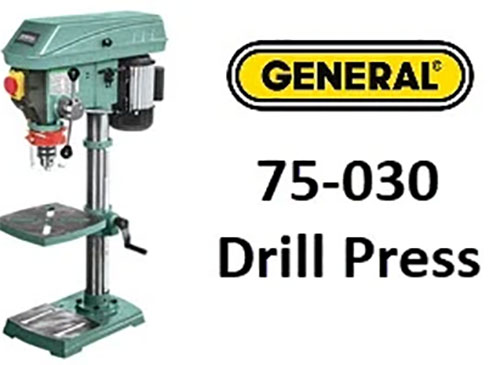
    General International’s 14" benchtop was a tall, smooth operator in testing. It showed excellent fit and finish in its castings and milling and has a silky feed action. The round table was slightly cupped in the center but locked solidly; so did the support arm to the machine’s rack-and-pinion column. It's quite quiet, considering the size of the motor.
    Read more