Special Price$14.99EachRegular Price$19.99
Save 25%
Main Product Price
Addons Selected
$160.96
Total PriceTaxes estimated at checkout
$160.96
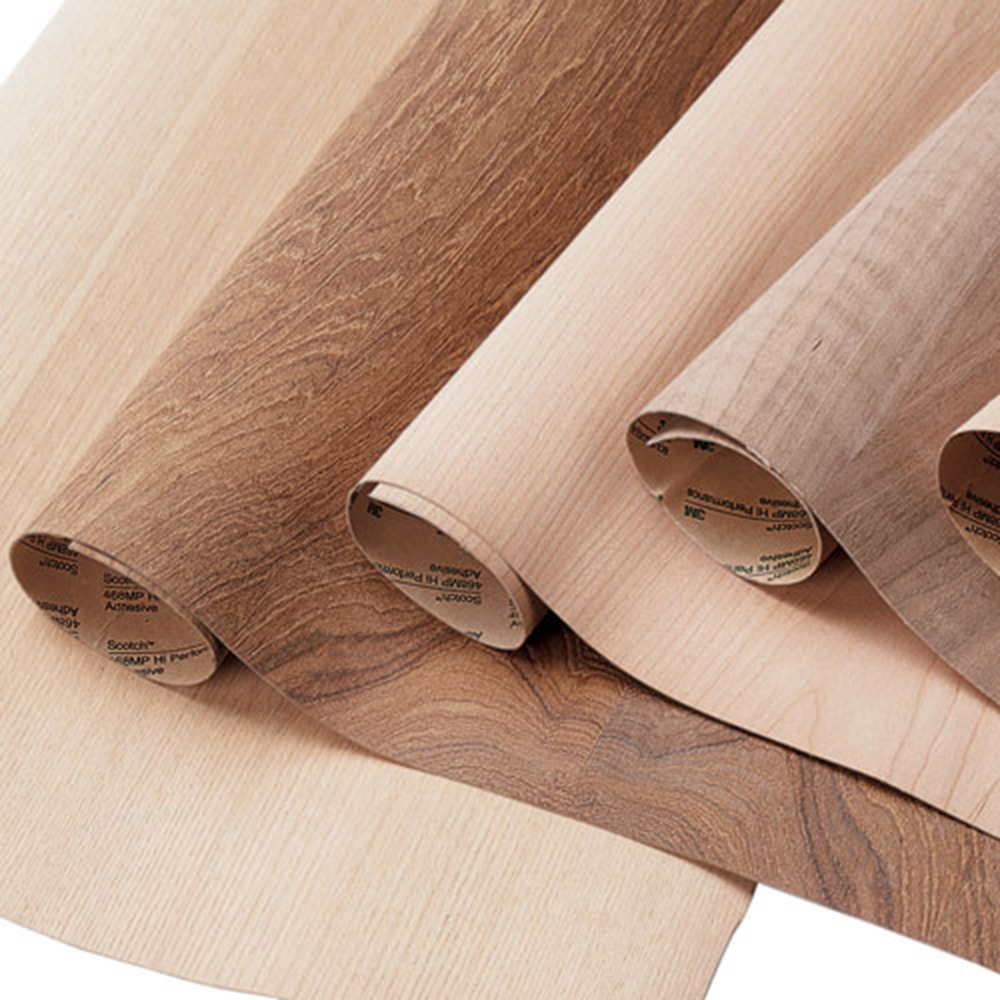
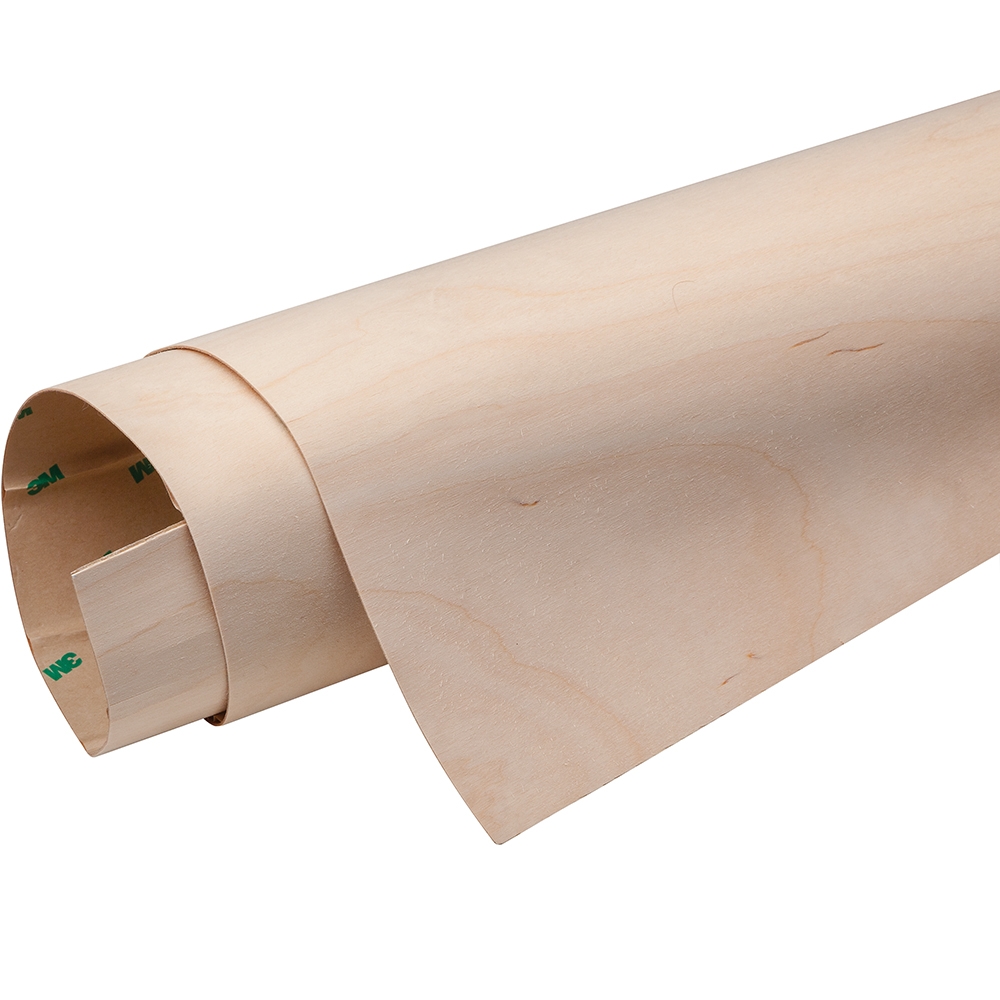
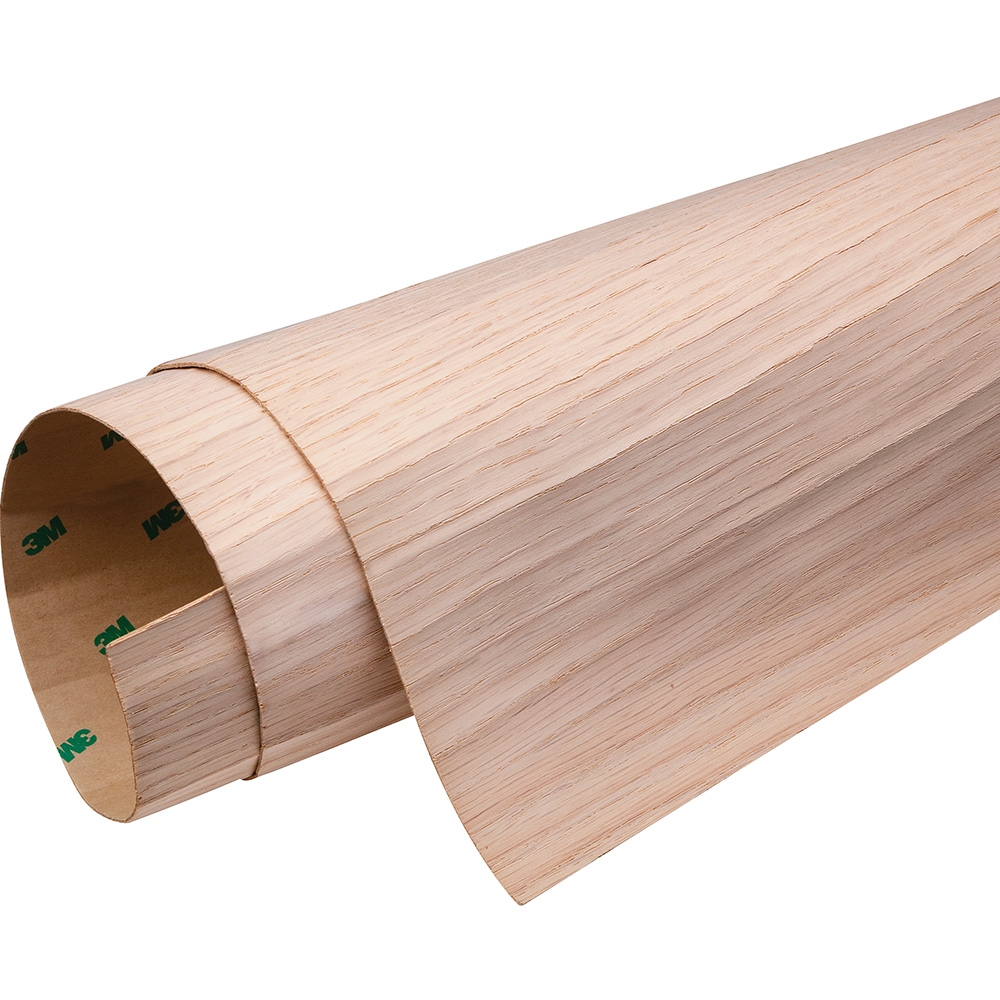
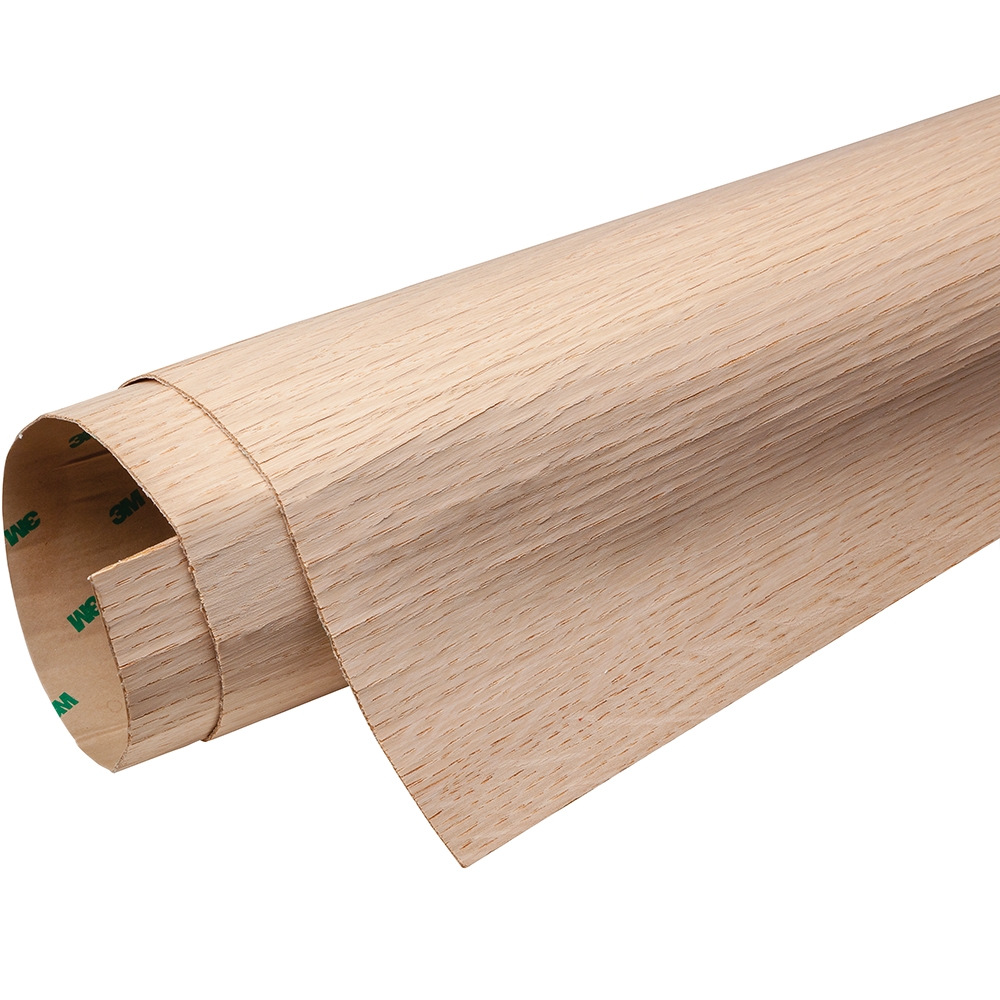
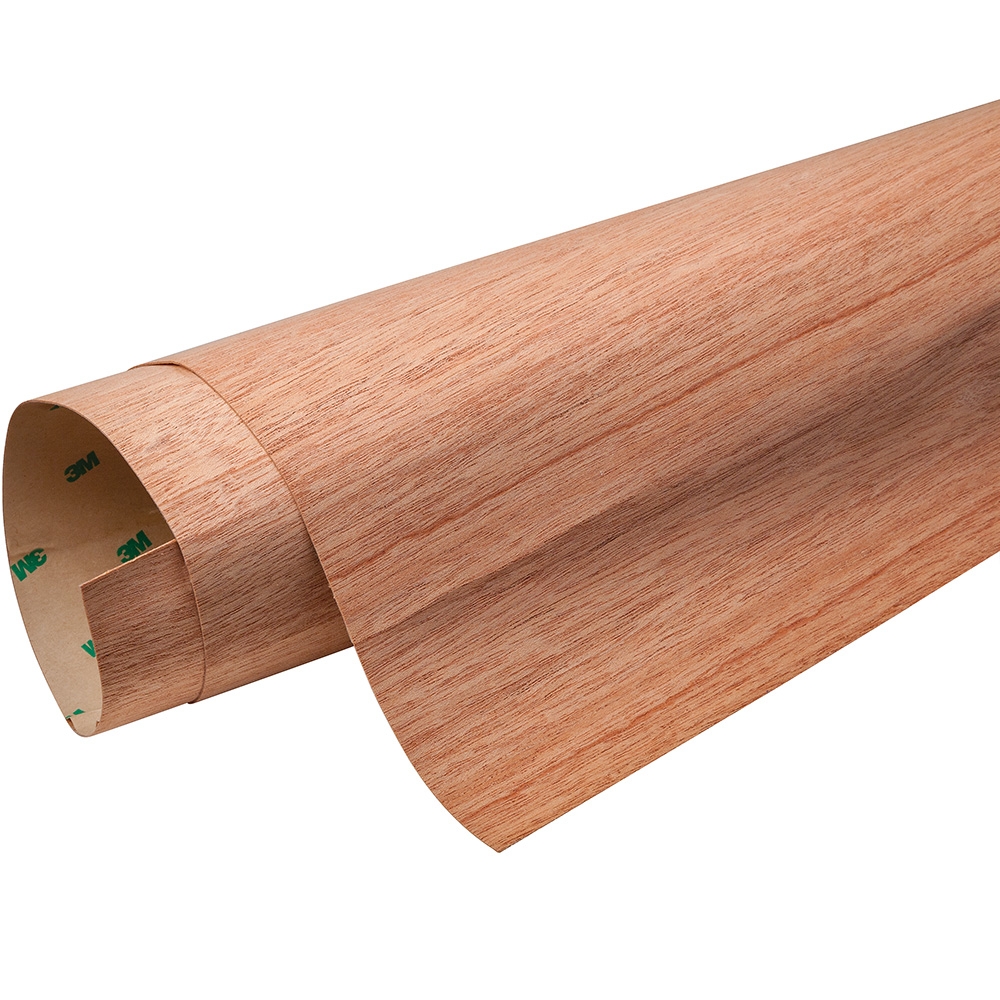
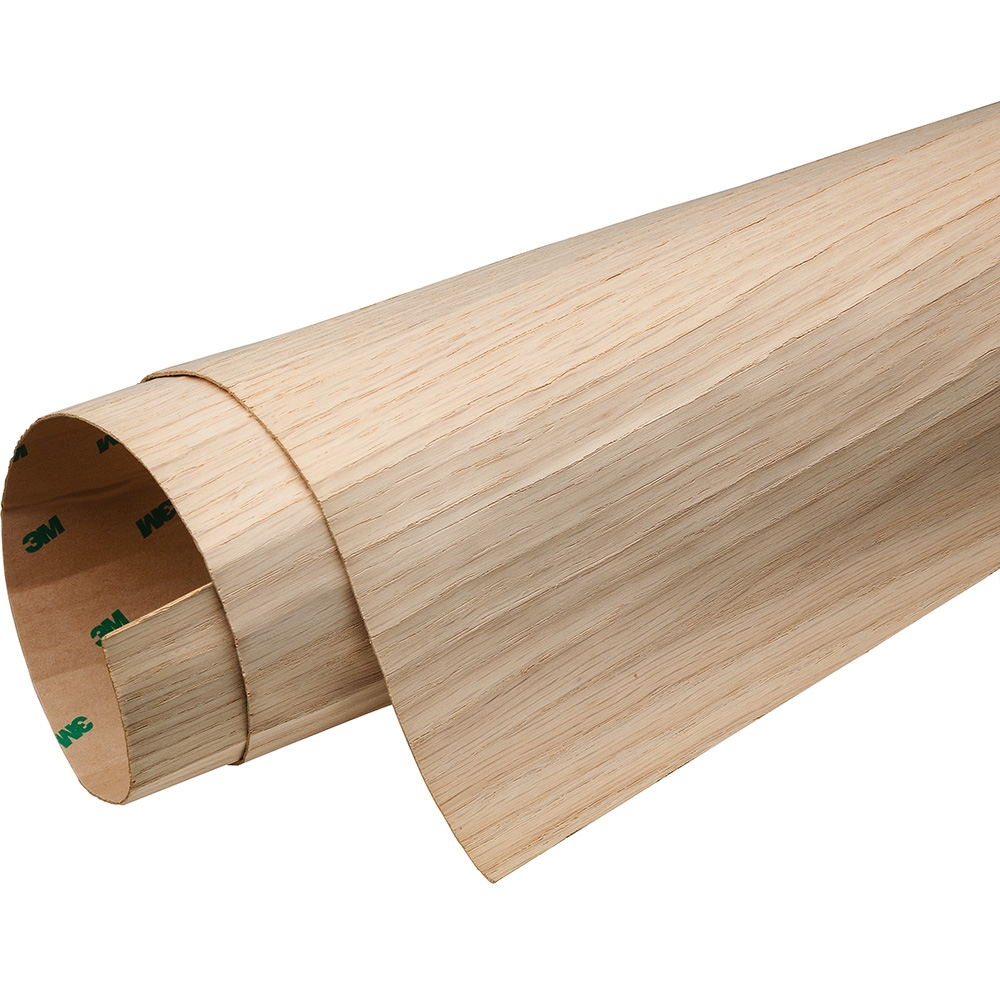
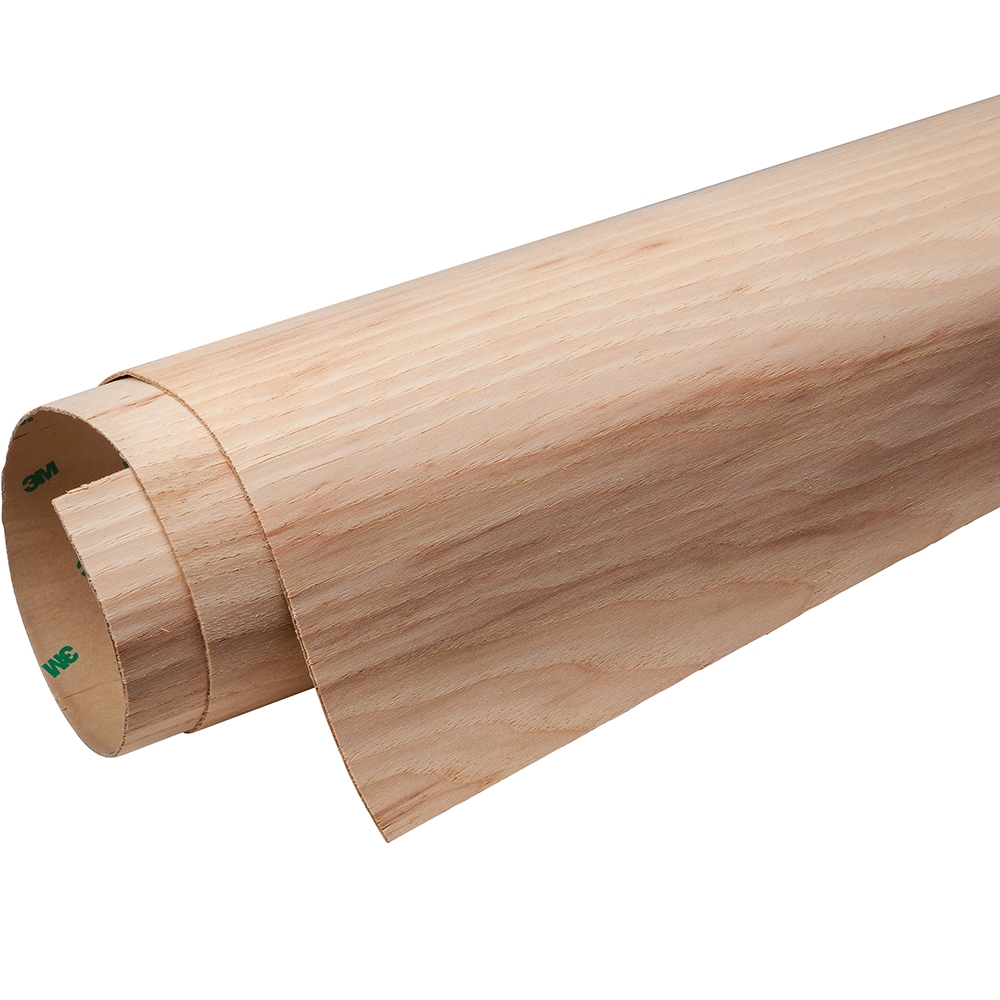
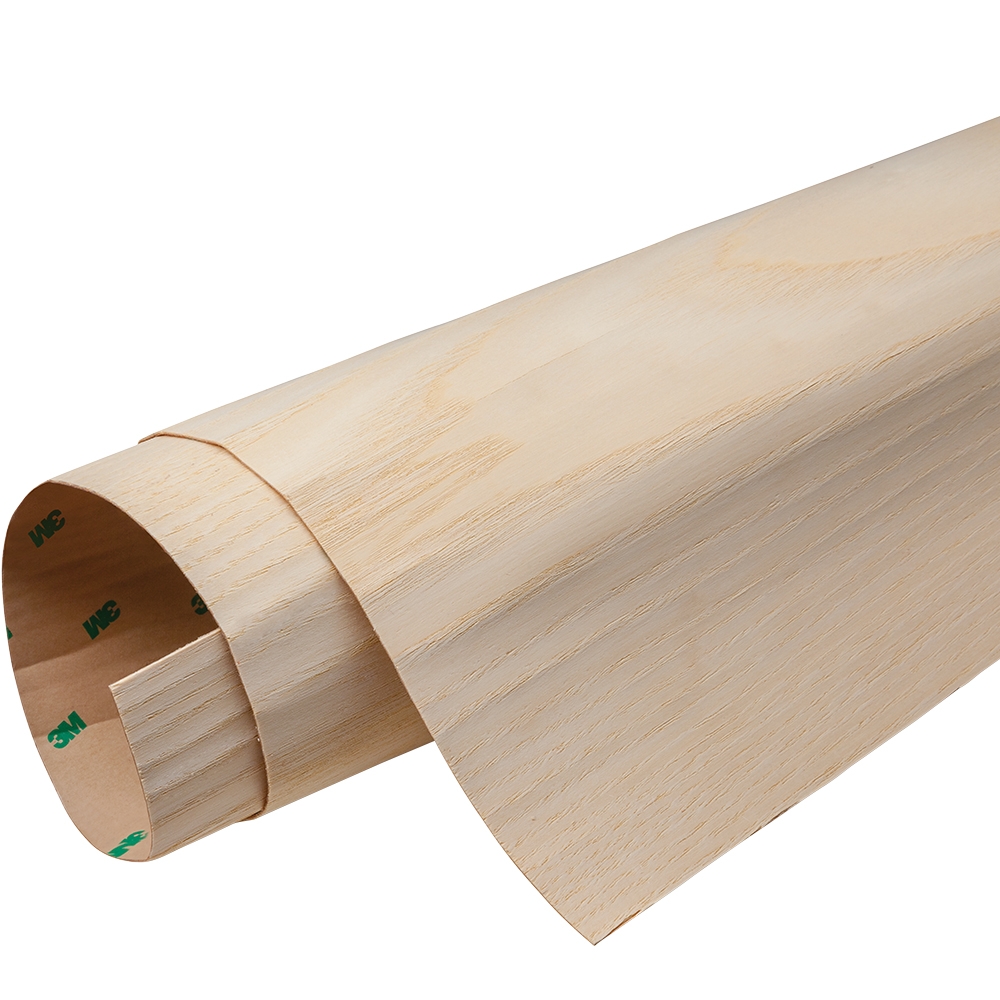
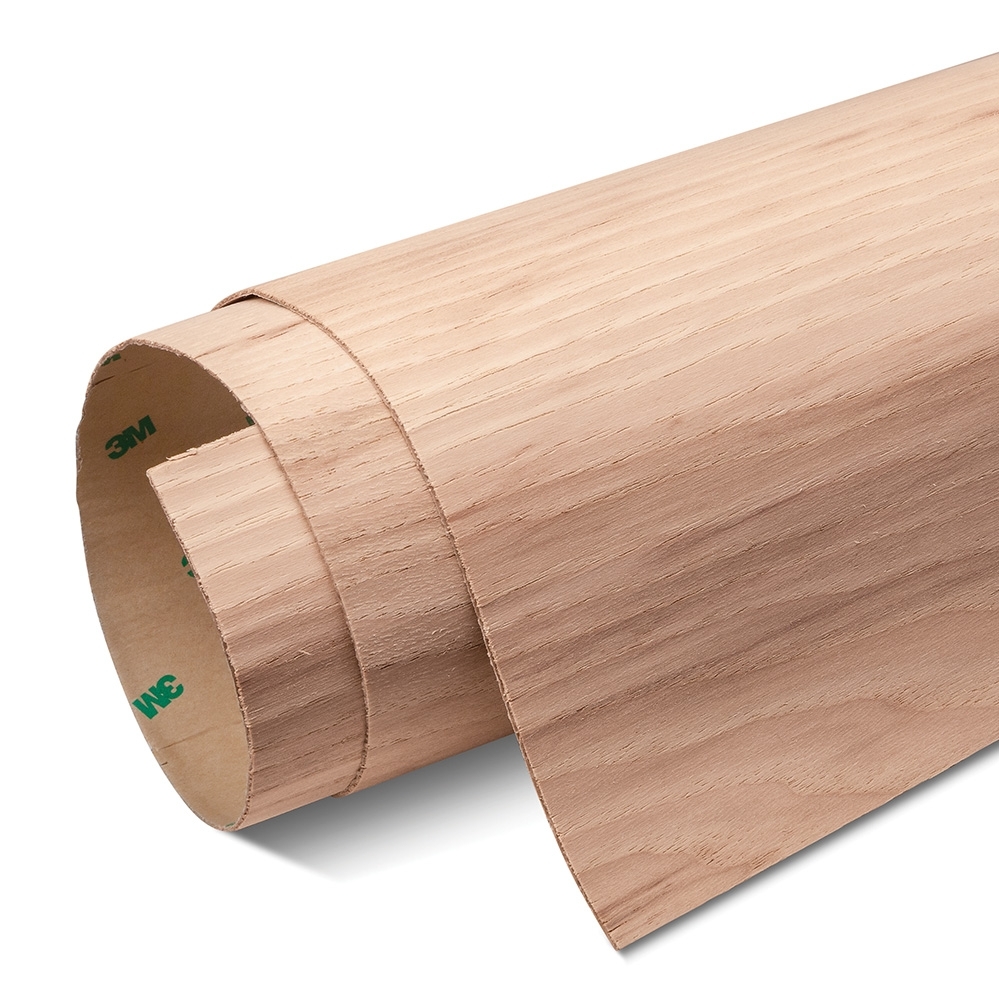
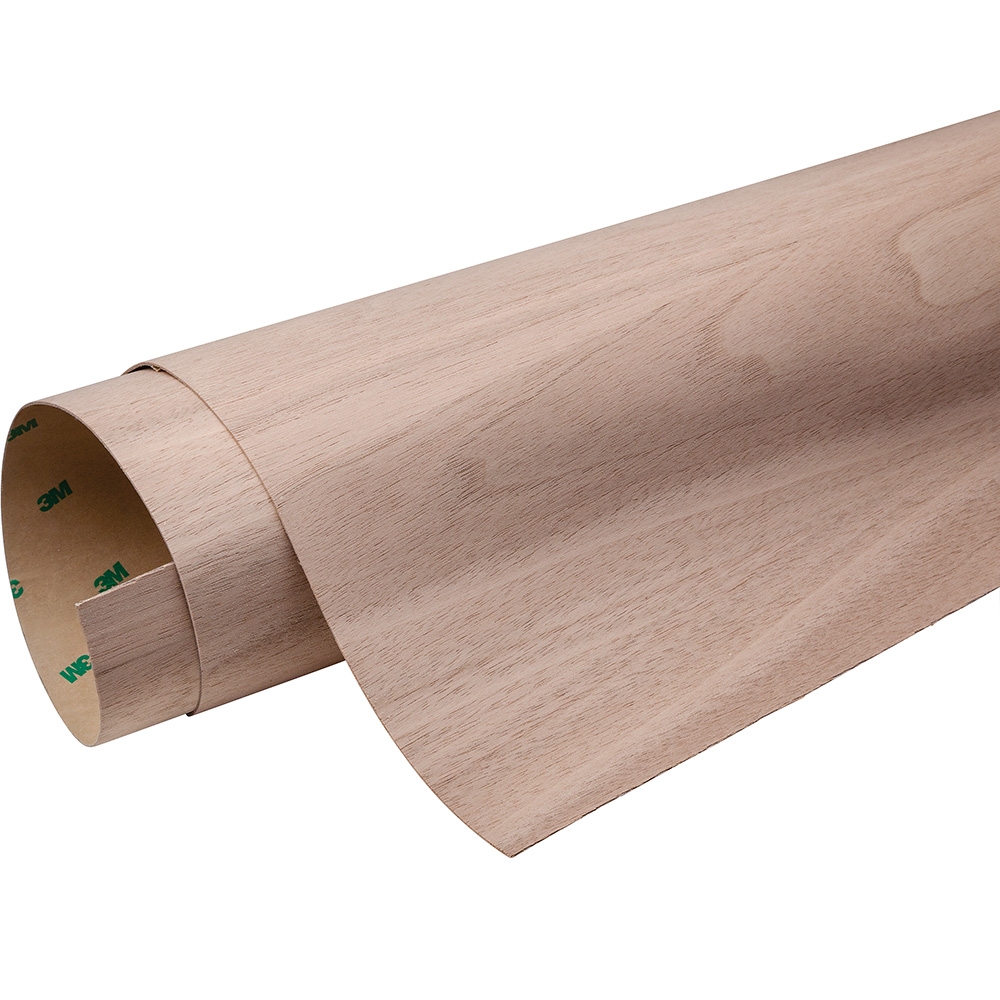
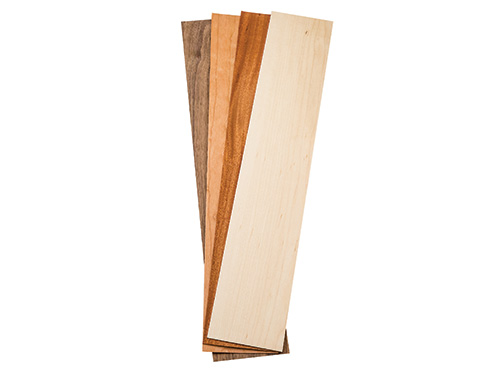
Our clean and simple "peel-and-stick" veneers are now available in convenient 24" x 32" sheets with a thickness of 1/64''. The 32" lengths are great for doors, face frames and end panels on vanities as well as on standard base cabinets with a toe space. No messy contact cement need apply-simply cut the veneer to size with a scissors, peel off the backing and use a High Pressure J-Roller (#50014, sold separately) for the smoothest application possible. This premium grade 1/64" thick flexible veneer comes with a 10 mil thick paper for stability and a pressure sensitive adhesive applied to its backside. These veneers permanently bonds to wood, glass, plastic and metal. They come in: Red Oak, White Oak, Sawn White Oak, White Birch, Cherry, Hickory, Ash, Maple, Mahogany and Walnut.
Features:
Not recommended for use on fir plywood
Unfinished real wood
Accepts stains and finishes
Refacing tips: First, apply veneer to the end panels. Once you're ready for the face frames, start with the stiles (vertical members). Cut veneer slightly wider than stile (leaving an overlap), and line up edge with top of the stile. Peel off backing and press as you go. Trim off the excess veneer. Finish by using High Pressure J-Roller for optimal adhesion. Repeat the procedure on the rails (horizontal members).
How to Flatten Self‑Adhesive Veneer Sheets:
Self‑adhesive veneer often arrives rolled tightly for shipping, which can give the material a temporary “memory.” This is completely normal. Once unboxed, the veneer simply needs time and the right conditions to relax and return to a flat state. Why Veneer Needs Time to Relax: Because the sheets are stored in a small‑diameter roll—sometimes for several weeks—they naturally hold that curved shape when first opened. Allowing the veneer to acclimate helps it settle into the environment where it will be applied.
Recommended Flattening Process:
Unroll the sheet carefully and place it on a clean, flat surface
Lay it face‑down (veneer side down) to prevent any risk of surface damage
Add light, even weight—such as boards, books, or other flat objects—to encourage the sheet to relax
Let it acclimate for at least 24 hours, or longer. This gives the adhesive backing and veneer fibers time to release tension and flatten naturally. The best environment for this is a 65-75 degree location with moderate humidity. This allows the adhesive to loosen properly and help lay flat.
Drilling, sawing, sanding or machining wood products can expose you to wood dust, a substance known to the State of California to cause cancer. Avoid inhaling wood dust or use a dust mask or other safeguards for personal protection. For more information go to www.P65Warnings.ca.gov/wood.
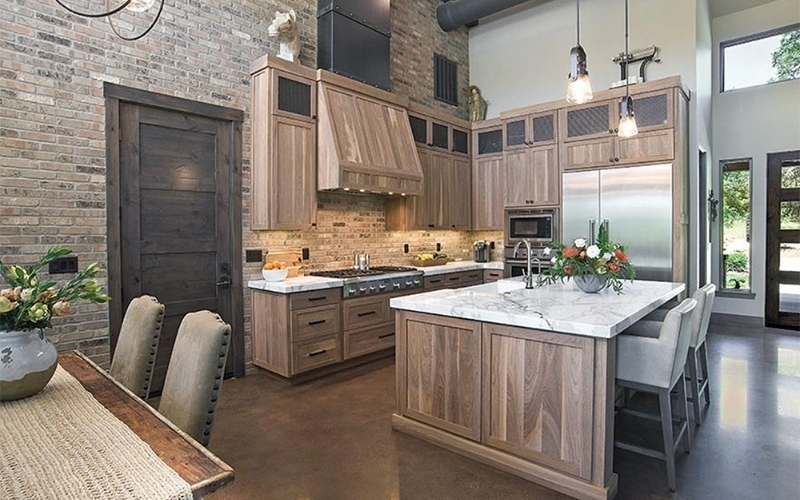
If the doors and drawers of your cabinets are still in good functional condition but could use a refresh, you can improve their look without replacing them and spending a fortune in the process.